


Neen James practices what she preaches, especially when it comes to her current focus on luxury travel, solo travelers — particularly women — and the growing emphasis on wellness within the travel experience.
An executive coach, strategist, keynote speaker and author, she focuses much of her work on helping organizations create mindful, intentional experiences that strengthen their businesses and turn customers into loyal advocates. Her philosophy centers on the idea that meaningful engagement — often driven by small, thoughtful details — can have an outsized impact on how people perceive a brand.
The Australian-born motivator has built a strong reputation in C-suites around the world. Known for her direct approach, she advises executives with a mix of candid feedback and strategic insight. Over more than two decades, she has worked with hoteliers, destination managers, cruise lines and other travel industry leaders, helping them craft experiences that resonate with guests and inspire repeat visits.
Sometimes, she said, it is the smallest details that leave the most lasting impressions.
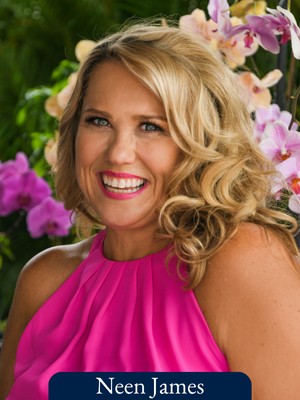
“You can enhance the experience if you do a few small things,” she said. “You can easily increase engagement at a property and increase advocates. That’s what this is about.”
For James, wellness is often misunderstood. Simply adding a gym to a property is no longer enough to meet guest expectations. Instead, she encourages businesses to think more holistically about how wellness is experienced throughout a stay.
Beyond soft towels, fresh scents or upgraded equipment, it can be as simple as a mini fridge stocked with protein snacks or the availability of a foam roller for clients to use during workouts. These small, thoughtful touches can elevate a standard amenity into something memorable.
“Little tiny things are noticed by people using wellness facilities who think about wellness practice as a priority,” she said.

Another key audience for the industry is the solo female traveler, a segment that continues to grow and evolve. These guests are particularly attuned to details that support comfort, convenience and well-being, she said.
Simple additions, such as a water kettle in guest rooms or healthier menu options, can significantly enhance their experience. Increasingly, these travelers are looking for meals that align with their health goals and lifestyles.
“Rather than just the carb-heavy breakfast — croissants, breads and cookies — they are looking for high protein and smaller portions,” she said. “They notice when the menus are printed with macro and calories counts.”
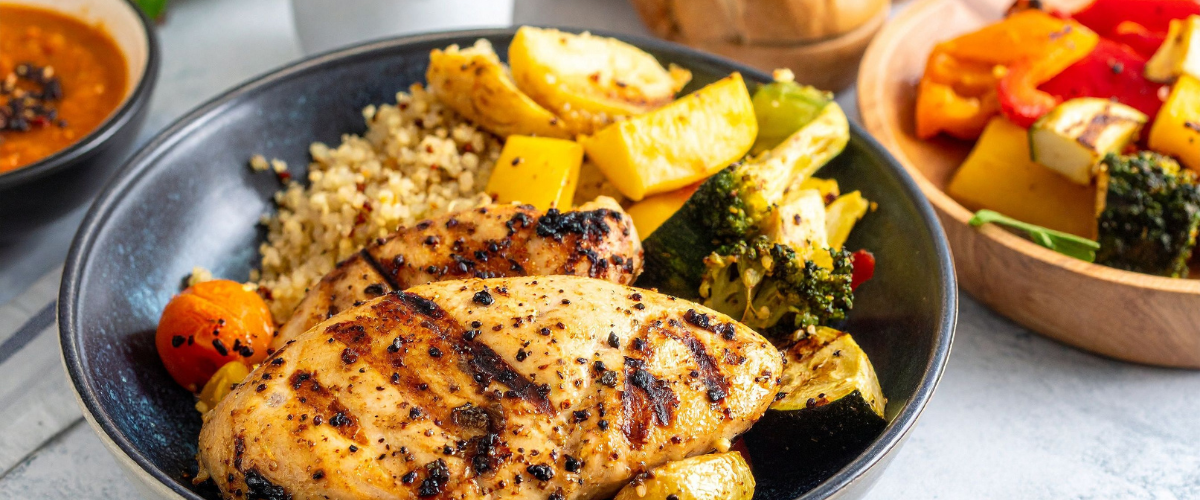
For hospitality professionals, keeping pace with these expectations requires awareness and adaptability across multiple departments, especially food and beverage operations.
“We have to pay attention to these trends happening out in the world because they are affecting us in our event planning, in spaces and menus,” she said. “The food and beverage coordinator must be diligent as they are working with the executive chef, making budgetary purchases or working with event planners to design menus. They should consider all of these things.”
James emphasized that travelers today are making decisions based on the totality of an experience rather than a single factor like destination or price point. Every touchpoint — from booking to post-stay communication — plays a role in shaping perception and loyalty.

She also noted the influence of word-of-mouth, particularly among women travelers, who often share recommendations within their networks.
“Women tell other women when they have had a good experience,” she said. “It is not just about luxury travel, but more about the luxury mindset.”
That mindset, she said, is at the center of her recent research into the luxury market. Her work explores not only how luxury makes people feel, but also how consumers make decisions about it — including who influences them, where they gather information and how they determine value.
“Luxury is a reward for hard work and it is about experiences, not things,” she said.
Creating those experiences requires attention before, during and after a guest’s stay. While many organizations focus heavily on arrival and on-site service, James said the follow-up phase is equally critical in extending the relationship and reinforcing positive impressions.
Luxury, however, can be a complicated term. For some, it carries connotations of exclusivity that feel out of reach or unwelcoming. James is working to reshape that perception.
“I am on a mission to change the narrative,” James said. “It is my belief that luxury is inclusive and exclusive. Everyone deserves it every day, whatever your version of luxury is.
“But it is exclusive because we can roll out the red-carpet experience for people who are in our lives,” she said, giving extra care and making people feel special.
She defines the five core tenets of luxury as high quality, long lasting, authentic, unique and indulgent. With the exception of indulgence, those traits also mirror many of the qualities associated with effective leadership.
Importantly, indulgence does not have to mean expensive. It can be something as simple as high-thread-count sheets, a quiet place to walk without cellphones or the opportunity to linger a few extra minutes in a moment of calm.

In her book, “Exceptional Experiences,” James outlines five “levers” that businesses can use to elevate their offerings and build stronger customer loyalty: entice, invite, excite, delight and ignite. Together, these principles form a framework for creating meaningful, memorable interactions that drive long-term value.
“Luxury is about experiences, not things,” she said. “True luxury is about the moments that make someone feel seen and heard.”
Learn more about Neen James and ALHI’s Strategic Advisory Group.